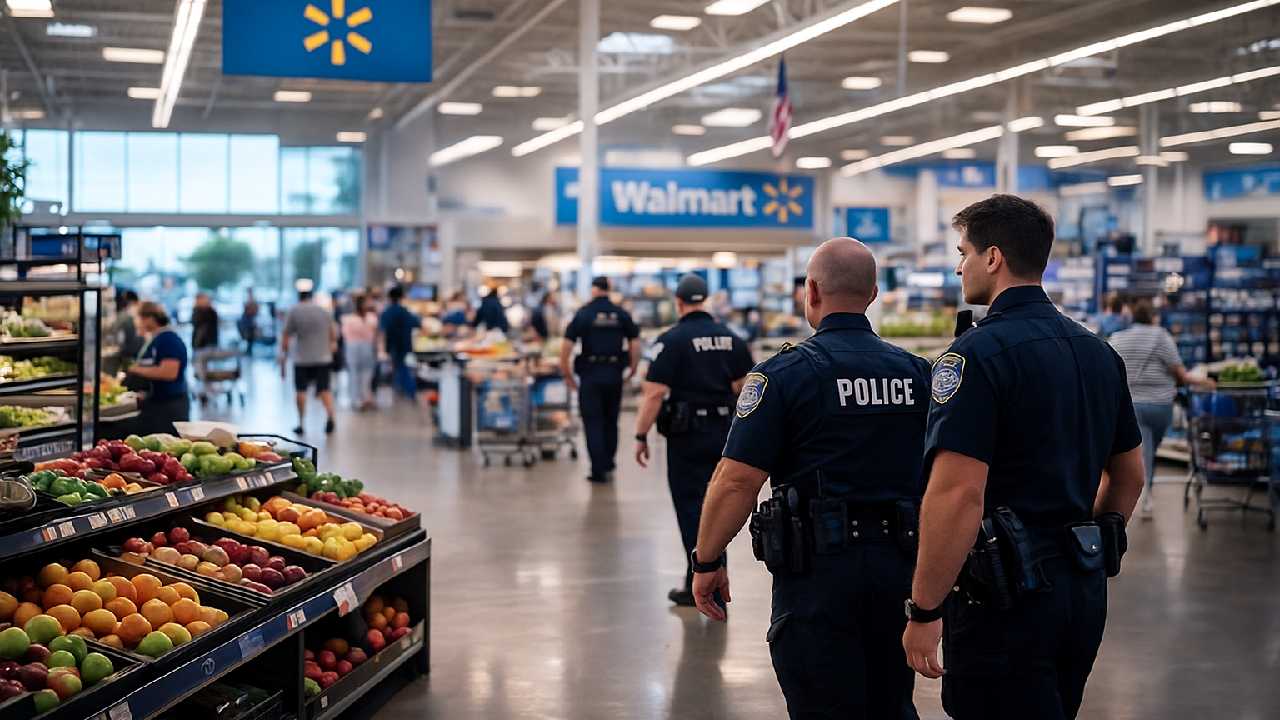
The Growing Police Presence Inside Kentucky’s Walmart Stores
Shoppers across Kentucky have noticed something different during their routine Walmart trips: more uniformed officers, more frequent patrols, and a more visible effort to maintain order. The increase has sparked curiosity, concern, and in many cases, quiet appreciation. People want to understand why the kentucky walmart police presence is expanding and what it means for everyday shopping.
The answer isn’t tied to a single cause. It’s a mix of rising retail theft, shifting community expectations, and Walmart’s own evolving approach to safety. The result is a new dynamic inside one of the state’s busiest retail chains—one that touches shoppers, employees, and police departments in different ways.
Why Walmart Stores Are Relying More on Police Visibility
This section breaks down the changing landscape behind Walmart’s decision to strengthen security across many Kentucky locations. It reflects both the pressures stores face and the realities of modern retail crime.
Retail Theft Is Growing Across Kentucky
Kentucky isn’t immune to the nationwide rise in retail theft. Local police logs show increasing call numbers tied to shoplifting, disputes, and suspicious activity at large retailers. Walmart, as one of the most accessible and heavily trafficked stores in the state, naturally feels this pressure more intensely.
Self-checkout misuse, organized shoplifting groups, and nighttime parking lot thefts have become recurring issues. While many of these incidents are small in isolation, they add up—affecting inventory, staff workload, and customer experience.
Walmart’s Updated Security Strategy
Walmart has spent years experimenting with new security approaches. The company has upgraded cameras, expanded loss-prevention teams, and adopted more technology-based tools. But technology alone doesn’t stop in-store incidents. In many communities, a uniformed officer remains the strongest deterrent.
Kentucky’s busier locations, especially in Louisville, Lexington, and Northern Kentucky, now integrate regular patrols into daily store operations. It’s a shift shaped by practicality, not spectacle.
Seasonal Surges Put More Pressure on Stores
The increase tends to peak during certain times of the year—holiday months, tax refund season, back-to-school rush—when stores are crowded and emotions run high. For many police departments, increasing visibility during these seasons is a preventive step rather than a reactive one.
How Shoppers in Kentucky Are Responding
This section explores the varied reactions from communities where the kentucky walmart police presence has become part of the shopping routine.
Some Feel Safer With Officers Nearby
A significant share of shoppers say the atmosphere feels calmer and more predictable when officers patrol the entrance or keep an eye on the parking lot. For late-night customers, the added security often feels reassuring. Many see the presence as a sign that Walmart is taking safety seriously.
Others Wonder About the Long-Term Impact
Not everyone sees it that way. Some customers question the need for such a strong police presence and worry about what it signals. Is crime simply rising, or is Walmart relying too heavily on local officers? Others express discomfort with seeing law enforcement in a place associated with routine errands.
These reactions highlight a deeper conversation about what safety should look like in everyday public spaces.
How Police Departments Are Adapting to the Increased Workload
The partnership between Walmart and local police isn’t one-sided; it also reshapes how departments manage their resources.
A High Call Volume That Requires Balance
Police departments across Kentucky frequently cite Walmart stores as one of the most common destinations for service calls. These calls range from small disputes to theft reports and welfare checks. Some officers argue that the volume strains their ability to respond to other neighborhoods.
Yet many also see Walmart patrols as a way to maintain visibility in high-traffic areas where issues often spill into surrounding roads and parking lots.
The Benefits and Challenges for Law Enforcement
Officers often build trust through these interactions. They meet families, speak with employees, and de-escalate minor tensions before they turn into serious problems. But the challenge is balancing this presence with wider community demands, especially in regions where departments are already understaffed.
What This Shift Means for Walmart Employees
Employees experience the impact of this security approach more directly than anyone else in the store.
A Greater Sense of Safety for Workers
For employees, especially those who work evening shifts, the added police visibility can reduce stress. Tensions at checkout lanes happen less often, confrontations over theft are less risky, and parking lot incidents decline when officers are nearby.
Stronger Collaboration With Loss-Prevention Teams
Walmart’s loss-prevention teams work closely with officers, combining store expertise with law enforcement authority. This cooperation allows employees to avoid direct confrontations, shifting more responsibility toward trained professionals.
A Look at the Numbers Behind the Trend
Police call data helps paint a clearer picture of what’s happening across Kentucky Walmart stores.
Annual Police Call Snapshot in Kentucky
Below is a generalized breakdown based on public police reports and local news summaries:
| Region | Approx. Annual Calls | Primary Issues | Trend |
|---|---|---|---|
| Louisville Metro | 2,800+ | Theft, disputes, parking lot incidents | Rising |
| Lexington | 1,900+ | Retail theft, disorderly conduct | Rising |
| Northern Kentucky | 1,200+ | Shoplifting, suspicious activity | Slightly Up |
| Rural Counties | 600–900 | Minor disputes, small-scale theft | Stable to Up |
While the numbers vary by location, the upward trend is consistent enough to justify Walmart’s growing reliance on law enforcement partnerships.
How the Shopping Experience Is Changing
These developments shape how customers move through the store, interact with employees, and perceive everyday retail spaces.
Visible Changes Shoppers Notice
Customers may see:
- Officers near entry and exit points
- More frequent patrols in high-risk aisles
- Additional cameras and monitoring systems
- Stronger oversight at self-checkout lanes
These shifts create a shopping environment that feels more structured and monitored.
Balancing Comfort and Protection
The challenge for Walmart—and for communities—is finding the balance between added safety and a welcoming atmosphere.
Some shoppers value the sense of protection; others miss the simplicity of a store where law enforcement wasn’t so visible. The conversation reflects broader questions about public safety, modern retail, and community expectations.
What the Future May Look Like
Walmart’s approach to security will continue evolving as retail crime patterns shift and technology becomes more advanced.
More Technology, More Prevention
In the coming years, Kentucky stores may rely increasingly on improved camera systems, smarter inventory tracking, and AI-driven monitoring to reduce theft before it happens. These tools could complement or replace the heavy reliance on police presence.
Shifting Roles for Police and Private Security
Some regions may move toward private security teams handling routine concerns while officers respond only to major incidents. The trend may create a more efficient balance between public resources and corporate responsibility.
A Changing Reality for Everyday Retail
The rise in kentucky walmart police presence reflects more than a store-level adjustment—it mirrors a larger shift in how communities navigate safety, crowded public spaces, and modern retail challenges.
For some shoppers, the presence offers peace of mind. For others, it raises larger questions. But for now, one thing is clear: this new level of visibility is shaping the way Kentuckians shop, work, and move through one of the state’s most familiar retail spaces. It’s a sign of how much the landscape of day-to-day shopping is changing—and how communities are adapting in response.