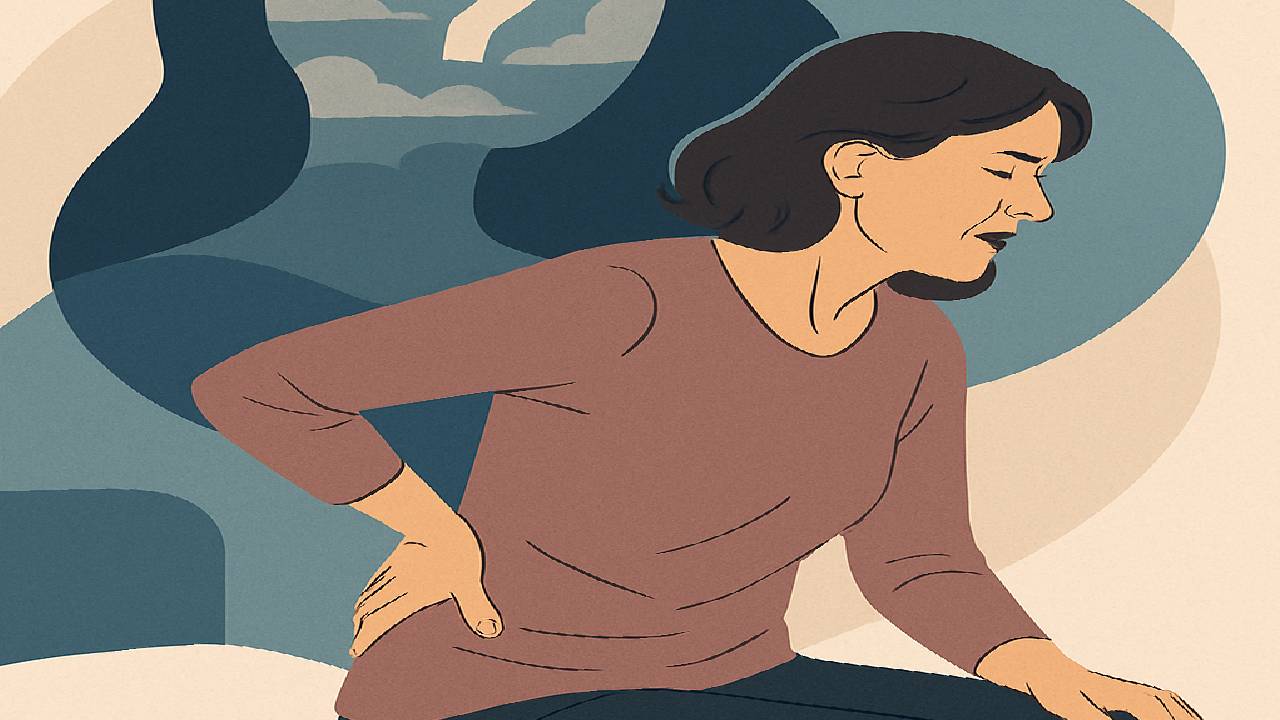
Persistent pain has a way of pulling people into worry. When the discomfort lingers, it’s natural to wonder what it means for your future — and that’s why many search for how long can i live with pavatalgia. The concern isn’t just about pain; it’s about stability, mobility, and the fear of the unknown.
Yet pavatalgia, a term used to describe ongoing or recurring pain in a specific area, is rarely a threat to life. What it does challenge is comfort. And comfort, as many people eventually learn, shapes everything from work routines to sleep quality to emotional resilience. Understanding pavatalgia isn’t about predicting lifespan; it’s about learning how to live well with the signals your body sends.
What Pavatalgia Really Is
Living with pavatalgia often means managing discomfort that appears regularly or settles into a familiar spot. While the word sounds clinical, the reality is straightforward: it’s pain that keeps coming back, often tied to tension, posture, or prolonged strain.
Pavatalgia feels different for everyone. For some, it’s a dull ache after long hours of sitting. For others, a sharp pull during movement. What matters most is recognizing that pavatalgia itself isn’t considered dangerous — but it does deserve attention. Understanding the root cause often leads to better control and far less stress.
Why the Cause Matters
Pain rarely appears without a reason. Sometimes it’s tight muscles. Sometimes a nerve acts up. Sometimes stress manifests physically.
A clear cause helps shape a clearer path forward.
Is Pavatalgia Life-Threatening?
Worry often exaggerates what pain represents. Many people assume steady pain signals something serious, but pavatalgia is not known to shorten life. What it does affect is daily rhythm — how easily you move, how deeply you rest, and how steady your mood feels.
Pain that lingers is not a sign of danger; it’s a sign that the body wants change. That’s why understanding how long can i live with pavatalgia often shifts to a more practical question: How comfortably can I live with it?
How Pain Affects Daily Life
While not life-threatening, pavatalgia can disrupt routines:
- Sleep may become shallow.
- Workdays may feel longer.
- Stress may rise without a clear trigger.
Left unsupported, these small disruptions can expand, making life feel heavier than it needs to be.
What Shapes Long-Term Comfort With Pavatalgia
The long-term outlook for pavatalgia depends less on the condition itself and more on the environment around it — habits, posture, activity levels, stress patterns, and timely care. These factors create the difference between manageable discomfort and a recurring burden.
This is where many related searches, such as “long-term outlook for pavatalgia,” begin to make sense. The goal is not simply to tolerate pain but to guide it into something smaller, quieter, and easier to navigate.
The Role of Daily Habits
Hours spent sitting, rushing through tasks, or carrying tension quietly shape how often pain shows up.
The Value of Early Evaluation
A check-in with a professional doesn’t just provide clarity — it prevents small issues from becoming long-standing ones.
The Mind-Body Loop
Stress tightens muscles. Tight muscles create discomfort. Discomfort creates more stress.
Breaking that loop often changes everything.
Living With Pavatalgia Without Treatment
It’s possible to live years with untreated pavatalgia, and many people do. But pain has a way of layering itself. One day of stiffness becomes a week, then a month, then a familiar story.
Untreated pain isn’t “dangerous,” but it can chip away at quality of life. And over time, discomfort can influence how freely you move, how rested you feel, and how confident you are in your body.
Here’s a simple look at what happens when pavatalgia is ignored:
| Factor | Impact Over Time | What It Means |
|---|---|---|
| Muscle tension | Greater stiffness | Harder to move comfortably |
| Nerve irritation | Longer episodes of pain | More distractions during the day |
| Stress buildup | More frequent flare-ups | Harder to unwind |
| Low mobility | Weakness or rigidity | Daily tasks feel heavier |
How Long Can I Live With Pavatalgia With Proper Care?
With supportive habits and basic guidance, most people live fully and comfortably with pavatalgia. Pain may appear, but it becomes quieter. Movement becomes easier. The body begins to cooperate rather than resist.
This is where the question how long can i live with pavatalgia takes on a new meaning. It becomes less about time and more about quality.
Most people regain their rhythm with simple, consistent steps — not dramatic overhauls.
Why Small Steps Work
- Light stretching increases circulation.
- Heat or ice calms tense tissues.
- Short walks reduce stiffness.
- Thoughtful posture changes ease pressure.
- Stress management softens pain intensity.
Together, they shift the body from tension to relief.
Practical Ways to Support Long-Term Comfort
Long-term management isn’t about strict routines; it’s about practical daily care. The body responds well to consistency, and pavatalgia is no exception.
Simple Home Strategies
- Gentle stretching in the morning
- Heat for tight areas
- Cold for sharp flare-ups
- A supportive chair
- Slow breathing to relax the nervous system
Lifestyle Adjustments That Help
- Short breaks between long sitting periods
- More natural movement
- A steady sleep rhythm
- A calmer approach to daily pressures
Moments to Seek Support
If pain grows stronger, lasts longer, or limits movement, consultation helps guide the next steps. Early insight prevents long-term strain.
Why Living With Pavatalgia Matters
Pain affects more than the body — it affects choices, confidence, and the pace of everyday life. Understanding your pain, listening to it, and supporting it with simple habits often leads to meaningful relief.
People ask how long can i live with pavatalgia out of concern. What they discover is that life doesn’t shrink because of pavatalgia; it simply asks for attention, routine, and care.
A Softer Ending
Pavatalgia may stay for a while, or it may fade as habits shift. Either way, most people live normal, active lives with it. The focus isn’t on counting years but on creating days that feel lighter, calmer, and more manageable.
When you respond to pain early, you regain control over your comfort — and that’s what truly shapes the long-term experience.