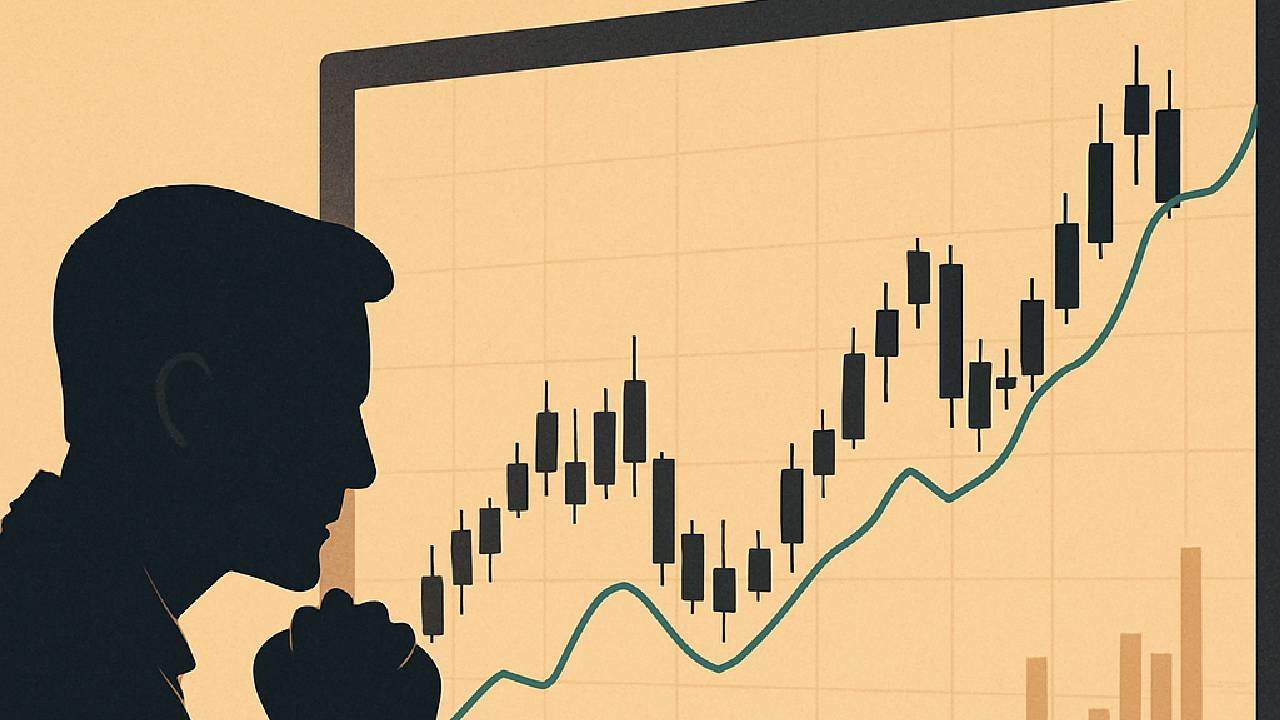
The pace of the market rarely slows down, and traders who rely on instinct alone often feel like they’re always one step behind.
Intraday trading has a rhythm of its own—fast, uncertain, and shaped by emotion as much as strategy. Many new traders step into it with enthusiasm but find themselves overwhelmed by sudden price swings, conflicting signals, and the pressure to make quick decisions.
What they usually need isn’t louder advice.
It’s clearer direction.
That is where insights from profitable intraday trading advice 66unblockedgames.com have quietly helped a growing number of retail traders. Not with magic formulas, but with a grounded understanding of patterns, risk, and discipline—the actual drivers of long-term consistency.
Building a Foundation That Keeps You Steady
A strong intraday approach isn’t built on luck. It starts with structure.
This section highlights why traders benefit from understanding market behavior before rushing into trades.
Why Understanding the Basics Still Matters
Traders who take time to learn how volatility works, why liquidity matters, or how trends develop often make calmer choices. It’s the difference between reacting to every tick and recognizing what’s worth paying attention to.
Short-term trading becomes easier when you grasp a few fundamentals:
- Price doesn’t move randomly; it moves in phases.
- No trader wins every day.
- Patterns repeat more often than people expect.
The logic is simple: the more grounded your understanding, the fewer emotional decisions you make.
Strategies That Help You Focus on What Moves the Market
Most people imagine intraday trading as a battle of predictions. In reality, it’s a study of behavior—market behavior and human behavior.
This section explores practical techniques shared across platforms like profitable intraday trading advice 66unblockedgames.com, designed to help traders filter noise and identify clearer setups.
Following the Trend With Clarity, Not Guesswork
Momentum tells a story. When price moves with strength and volume, it often signals where traders are placing their confidence. Tools like moving averages or VWAP help you see that story more clearly.
They don’t tell you what to do—they simply reveal the direction most traders are leaning toward.
Choosing the Right Assets for the Day
Liquidity is a trader’s friend. High-liquidity stocks allow quick entries and exits, tighter spreads, and fewer surprises.
Most intraday traders stick to:
- Tech stocks
- Banking and financial majors
- Index-heavy names with steady volume
It’s not just preference. It’s practical risk control.
The Tools That Keep Your Decisions Honest
Indicators aren’t meant to complicate your chart. Used well, they simplify it.
This section explains how a few reliable tools can help traders avoid impulsive trades.
Keeping Your Chart Clean and Purposeful
The best traders rarely overload their screens. They rely on familiar, proven indicators:
- RSI for market strength
- MACD for momentum shifts
- Bollinger Bands for volatility
- VWAP for institutional trend bias
Together, they offer a balanced view—trend, strength, momentum, and volatility.
The key is restraint. Two or three indicators, consistently applied, often outperform complex setups.
Risk Management Is Where Real Traders Are Made
Most intraday losses don’t come from bad ideas—they come from poor boundaries.
This section highlights why risk rules are often more important than strategy itself.
Protecting Capital with Smart Stop-Losses
Stop-losses are not signs of fear. They’re signs of discipline.
Dynamic stops (like those based on the ATR) allow traders to adjust for volatility, while fixed stops keep things predictable for beginners.
Even seasoned traders lean on this simple truth:
A small loss today protects you from a larger loss tomorrow.
Using Risk–Reward to Build Consistency
A 1:2 or 1:3 risk–reward ratio keeps your trading grounded.
If you risk $50, aim for $100 to $150.
This single principle can turn an inconsistent trader into a stable one over time.
A simple breakdown:
| Trading Capital | Risk Per Trade | Max Daily Loss | Ideal Target |
|---|---|---|---|
| $1,000 | $10 | $30 | $30 profit |
| $5,000 | $50 | $150 | $150 profit |
| $10,000 | $100 | $300 | $300 profit |
These numbers illustrate what many traders overlook: profitability is rarely about hitting big wins—it’s about controlling the downside.
Mindset Is the Quiet Edge Most Traders Ignore
The market tests psychological strength as much as technical ability.
This section explores why emotional control often determines whether a trader lasts more than a few months.
The Emotional Load Behind Every Trade
Greed pushes traders to chase the market.
Fear makes them exit too early.
Frustration turns into impulsive revenge trades.
Successful traders manage emotions the same way they manage risks—wisely and consistently.
Why Journaling Helps More Than Most Tools
A journal doesn’t just track trades. It tracks you.
Patterns appear—your strengths, weak hours of the day, habits under pressure.
Over time, you learn that improving your mindset improves your results.
A Practical Routine Traders Can Rely On
Daily structure brings calm to a volatile market.
Here’s a routine inspired by the habits shared on profitable intraday trading advice 66unblockedgames.com and used by many disciplined traders.
Before the Market Opens
Check the news.
Mark key levels.
Identify assets with volume and clear pre-market direction.
During Market Hours
Avoid trading the first 15–20 minutes.
Wait for confirmation signals.
Stick to pre-defined risk rules.
Do not chase price, even when it feels tempting.
After the Closing Bell
Review entries and exits.
Write down emotions.
Note what went right and what didn’t.
Improvement rarely comes during trading. It comes afterward.
Why This Approach Matters
Intraday trading is not a race. It’s a craft.
And like any craft, it grows through structure, patience, and reflection—not speed.
When traders slow down, understand trends, trust their tools, and manage risk, they create space for consistency. In a market where unpredictability is guaranteed, that consistency becomes your edge.
Platforms that offer guidance—such as profitable intraday trading advice 66unblockedgames.com—give traders a starting point. But the real progress begins when traders put those ideas into practice with patience and awareness.
A Final Thought
Intraday trading will always feel intense. But intensity doesn’t have to mean chaos.
With a grounded strategy, a calm routine, and the willingness to learn from each session, anyone can trade more confidently. If there’s one message worth carrying forward, it’s this:
Success in intraday trading isn’t about perfect timing.
It’s about steady habits.
And steady habits, when practiced day after day, make the market feel far less intimidating—and far more rewarding.